
22nd April 2026
Our Sector Summit is set to be another exciting day of knowledge sharing and networking at Church House, Westminster. If you have any questions about the day please email info@suicideandco.org.
Agenda
8:30 - 9:15 | Registration
9:15 - 9:30 | Welcome | Amelia Wrighton, CEO of Suicide&Co
9:30 - 9:45 | Keynote: Challenging the Frameworks of Prevention and Postvention
Rachel Gibbons, Vice Chair of the Psychotherapy Faculty, Royal College of Psychiatrists
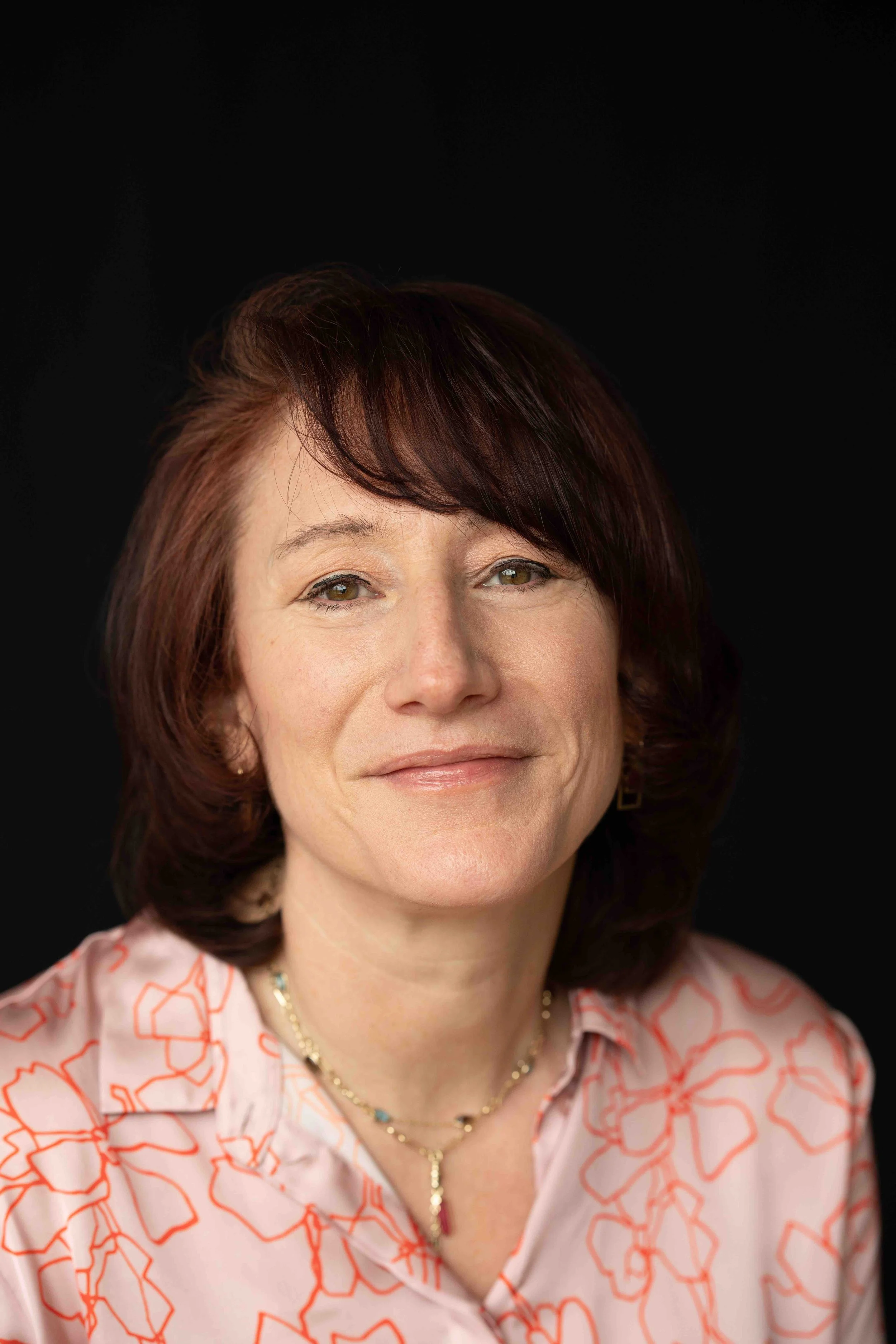
Drawing on over two decades of experience, Dr Rachel Gibbons will provide an exploration of the emotional and systemic impact of suicide. This keynote reflects on her significant body of work and will critically examine the deeply held assumptions that often underpin both prevention and postvention policy, questioning traditional risk-reduction models and the perceived predictability of suicide. This session invites us to move beyond fear-driven responses toward a more nuanced and sustainable framework of care.
9:45 - 10:25 | Panel Conversation: Deep Dives into Distinctive Expertise
This session brings together a diverse group of experts to shine a light on the vital work being done within specialised corners of the mental health and bereavement sector. Moving beyond "one size fits all" approaches, this panel explores the deep expertise required to support specific communities, from those navigating the complex trauma of a missing or mentally unwell loved one to the intensity of postpartum psychosis. Led by Nicky Hitchcock, the discussion will delve into the rich insights gained from working within these distinctive areas. Panellists will share how their targeted interventions and knowledge can inform broader practice, ensuring that every individual receives the compassionate and expert support they deserve.
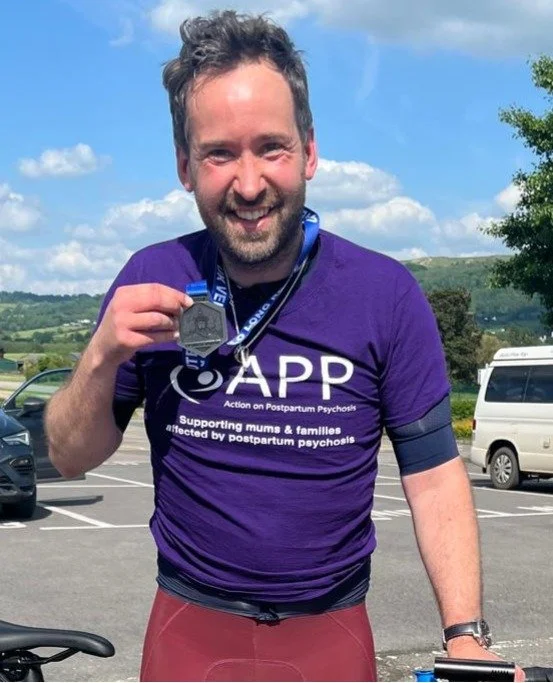
Rich Baish, Development Manager, Action on Postpartum Psychosis
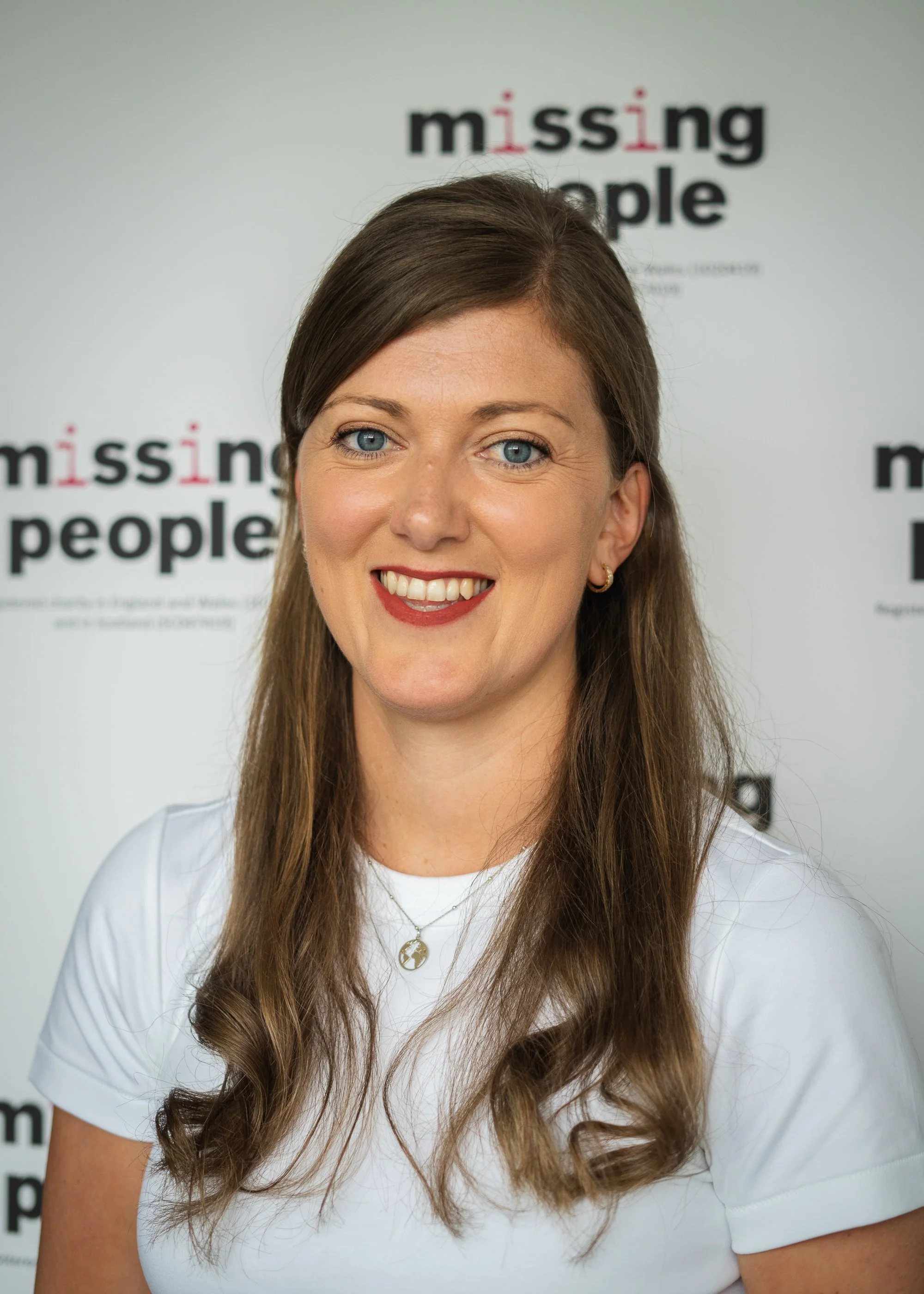

Jane Hunter, Head of Research and Impact, Missing People


Nicky Hitchcock, Clinical Director, Suicide&Co
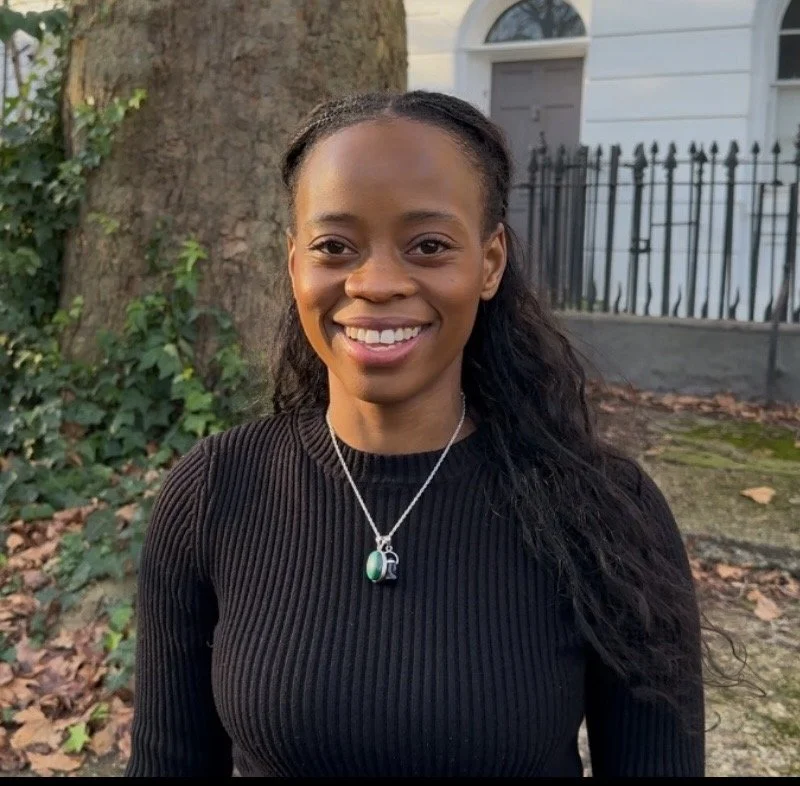
Kudzai Sitima, Co-Director, Body & Soul
10:25 - 10:45 | Fireside Chat: Navigating the Digital Frontline: Youth Mental Health and Online Harms




Louisa Rose, CEO,
Beyond
In this intimate fireside chat, we explore one of the most pressing challenges facing the sector today: the profound impact of the online world on youth mental health and suicide risk. While the digital landscape offers vital opportunities for connection, it also presents systemic risks, from addictive algorithms to the normalisation of self-harm content, that can exacerbate vulnerability in young people. This session aims to move beyond the jargon of tech regulation to offer a hopeful, action-oriented dialogue on how we can collectively build a safer online world.
10:45 - 11:15 | Coffee Break
11:15 - 11:30 | Keynote: Reasons to Stay
Ben West, Founder, Reasons to Stay
Ian Russel, Co-Founder & Chair, Molly Rose Foundation
In this keynote, Ben West shares the story behind Reasons to Stay, the groundbreaking digital platform that has captured national headlines since its launch. Moving beyond traditional resource lists, this initiative provides a modern, accessible space designed to offer immediate hope and tangible reasons to keep going for those in their darkest moments. Ben will discuss the journey of building a platform that resonates with a digital-first generation and the vital role that creative, tech-led solutions play in the modern suicide prevention landscape.
11:30 - 12:10 | Panel: Strategies for Inclusive Engagement
While the sector has made strides in service provision, the challenge of reaching those who feel outside the traditional "mental health conversation" remains. This panel, chaired by Louise Williams, explores successful strategies for encouraging help-seeking behaviours and broadening access to care across diverse and often underserved communities. From the grassroots cultural advocacy of the Majonzi Fund and Beder’s unique integration of sport and the arts, to the high-impact, national reach of CALM, our speakers share a common goal: making support feel relevant, accessible, and inclusive.
Louise Williams, Community Engagement Director, Suicide&Co
Wendy Robinson, Director of Services, CALM


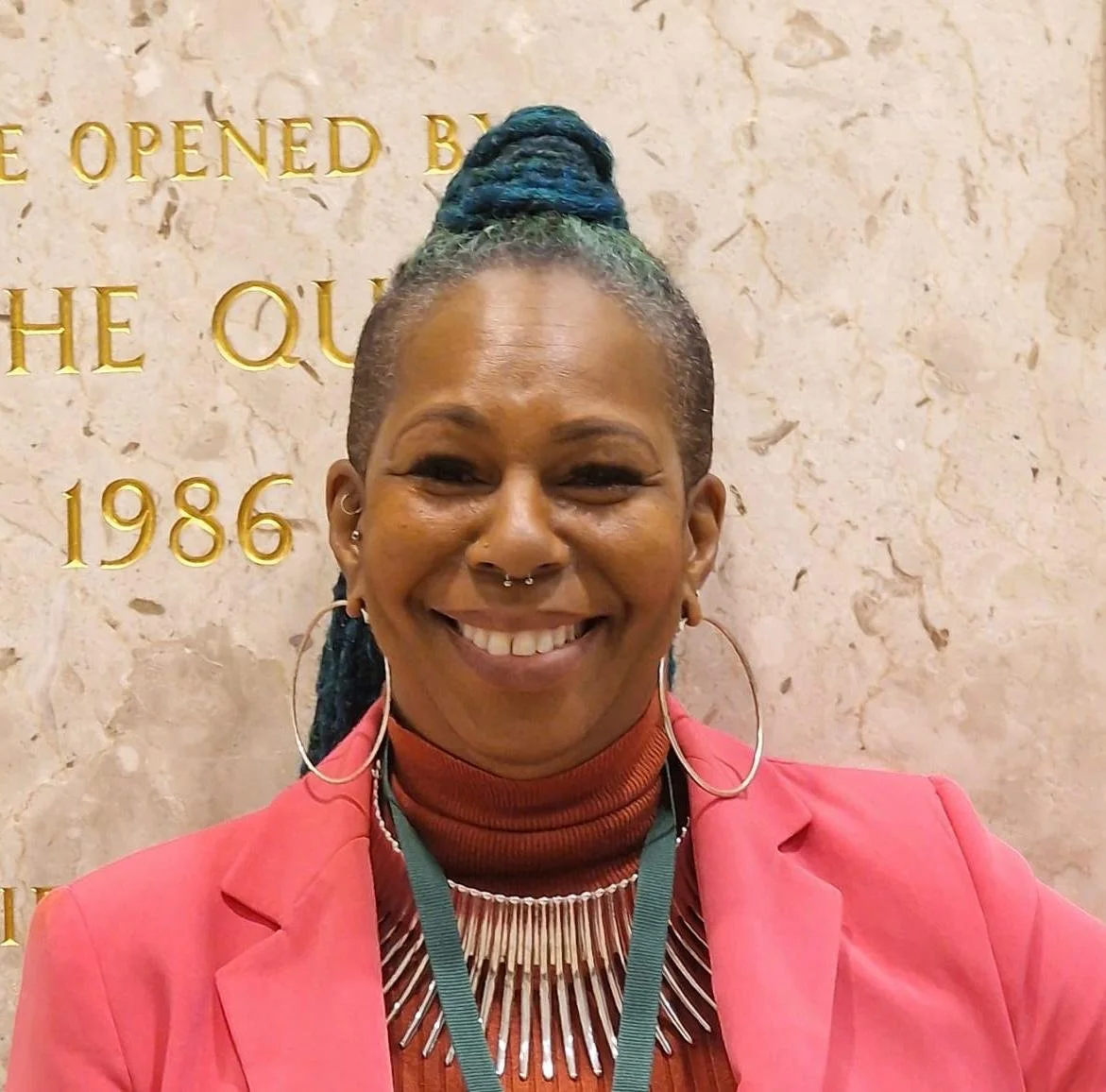
Dr Yansie Rolston, Director, Health and Wellbeing, Majonzi
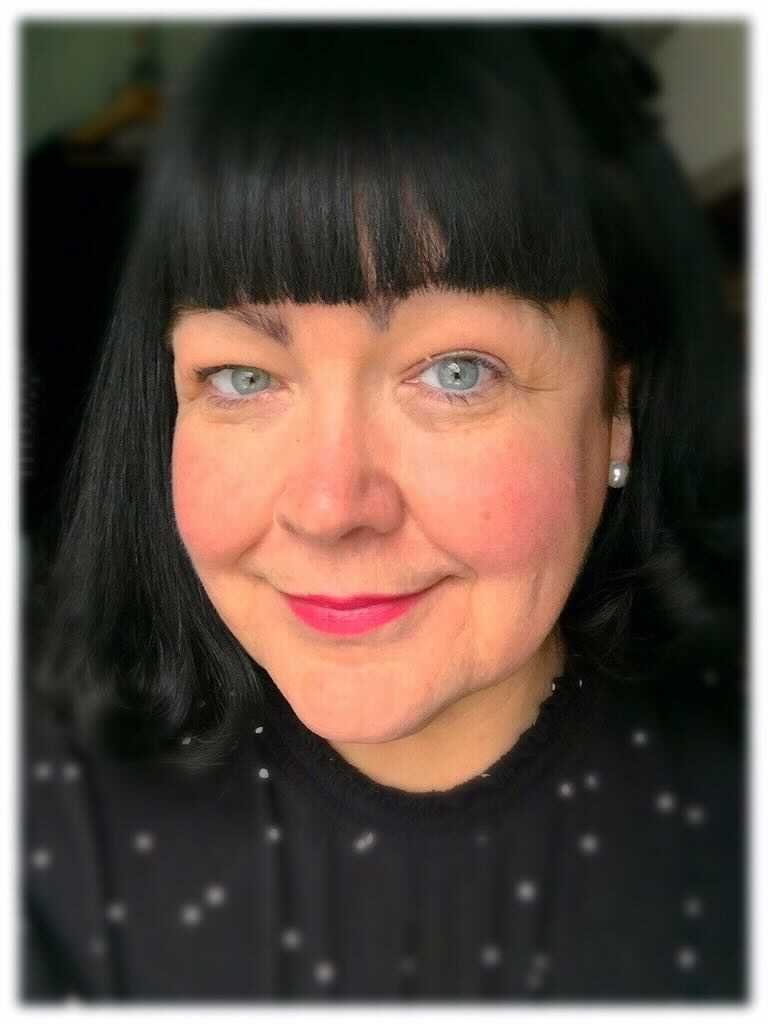
Razzak Mirjan, Founder, Beder
12:10 - 12:25 | Keynote: The Evolution of Death Rituals in a Modern World
Catherine Betley, Head of Charity at MuchLoved
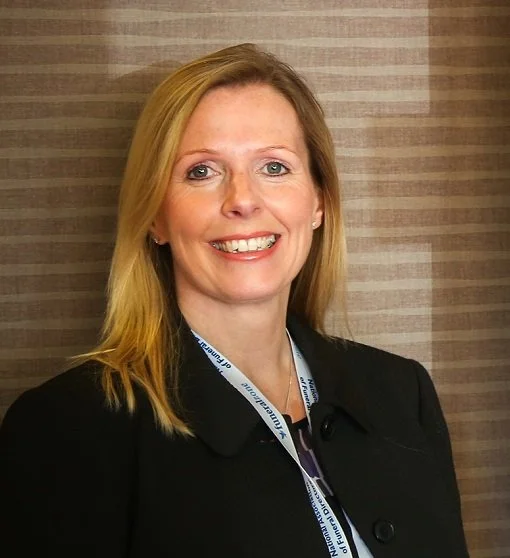

As our lives become increasingly digitised, so too do the ways in which we mourn and remember. In this keynote, Catherine Betley draws on nearly 25 years of experience to explore the significant shifts in death rituals and the evolution of the "online tribute". Catherine will delve into how these modern rituals provide new avenues for connection and commemoration. This session offers a fascinating look at how the sector must adapt to these changing behaviours, ensuring that as our rituals evolve, the standards of support we provide remain compassionate, effective, and fit for a digital age.
12:25 - 12:30 | Morning Close: Amelia Wrighton
12:30 - 13:30 | Lunch
13:30 - 14:10 | Panel: Creating Compassionate Cultures
For many, the workplace is the primary environment they inhabit while navigating life’s hardest moments, yet standard HR protocols often fail to meet the complex reality of grief and mental health crises. This panel, hosted by EDF, explores how leading organisations are pushing the ceiling of workplace support, moving beyond "tick-box" bereavement leave towards more holistic, enhanced frameworks. By sharing insights from major employers like EDF and Mars, the discussion will highlight the shift from rigid policy to a deeply embedded culture of compassion.
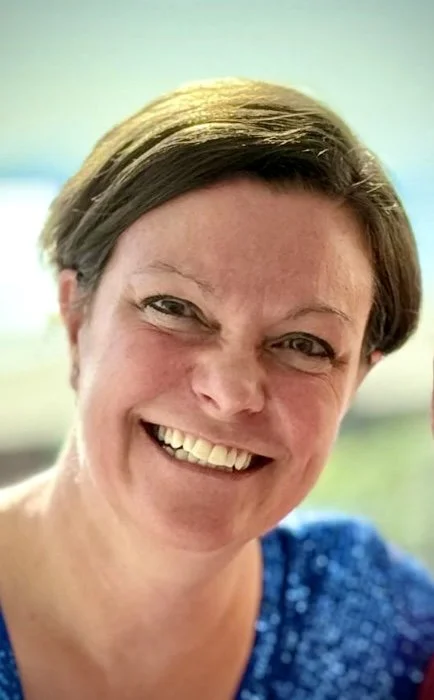

Sarah Jackson, Chief Medical Officer, EDF


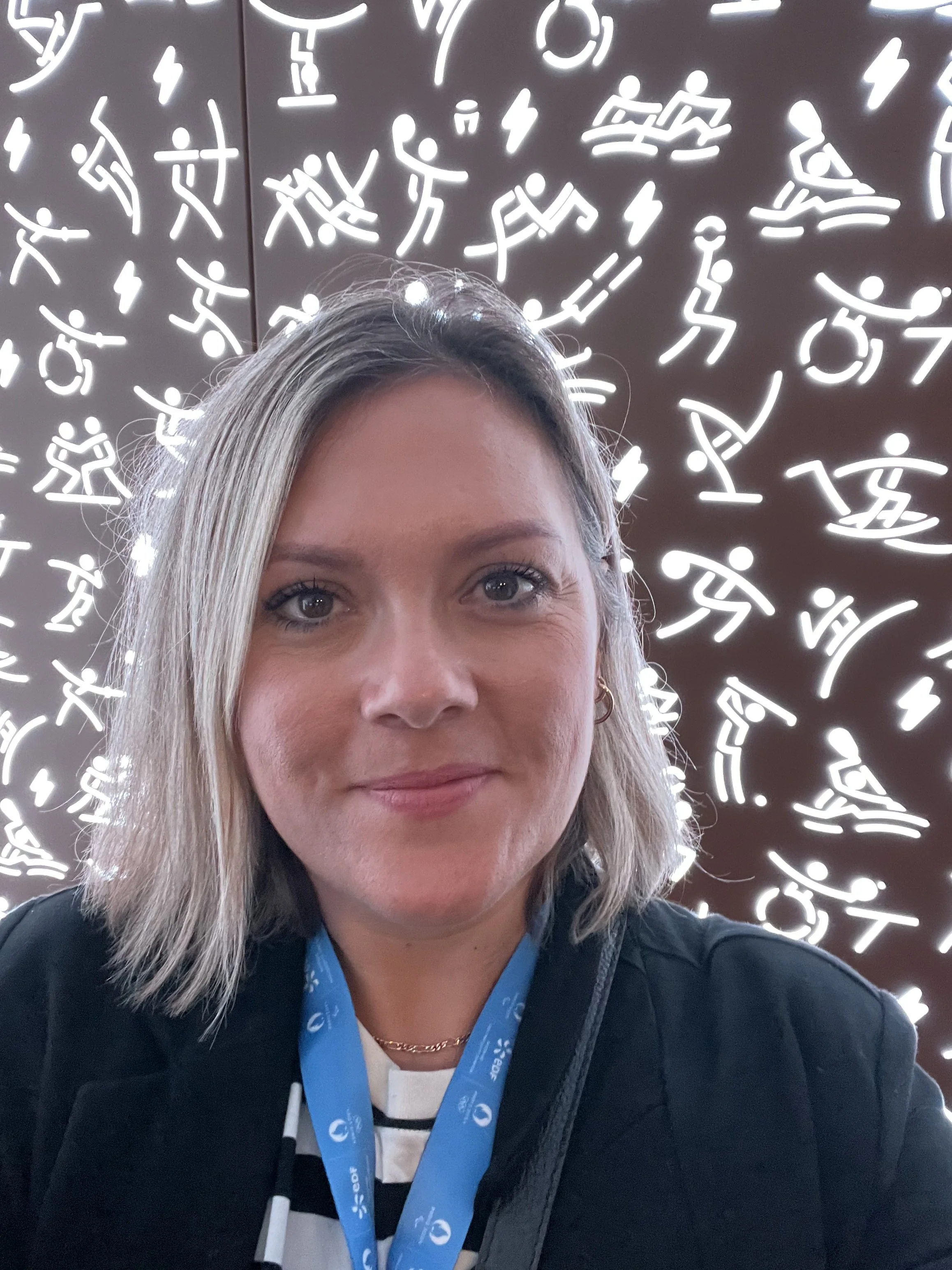
Rebecca Shula, Health and Wellbeing Manager, EDF

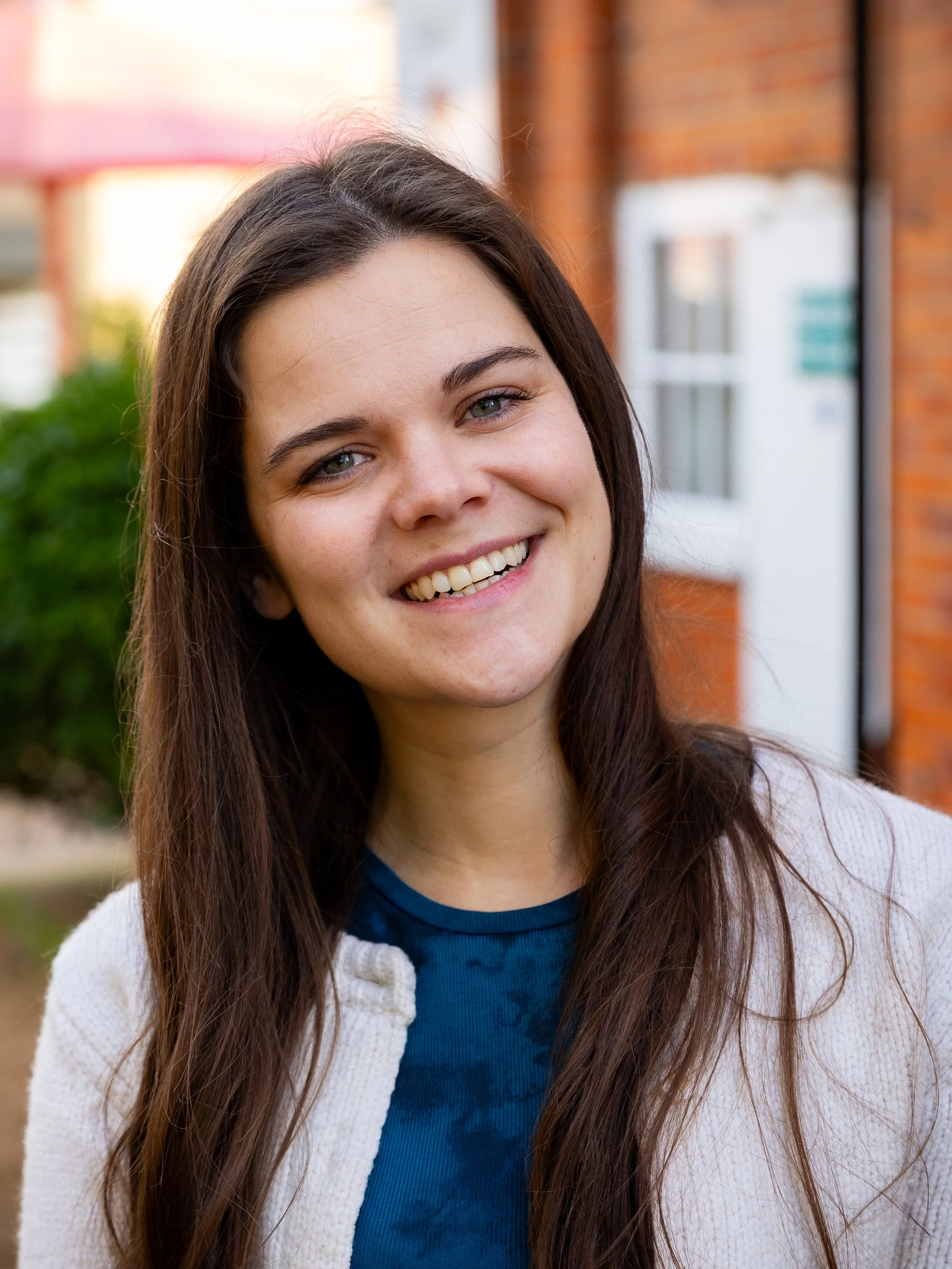
Cordelia Linacre-Brown, Regional Brand Director, Mars
Paul McGregor, Founder, Everymind at Work
14:10 - 14:30 | Fireside Chat: The White Elephant in the Room: The Hidden Risk in Plain Sight
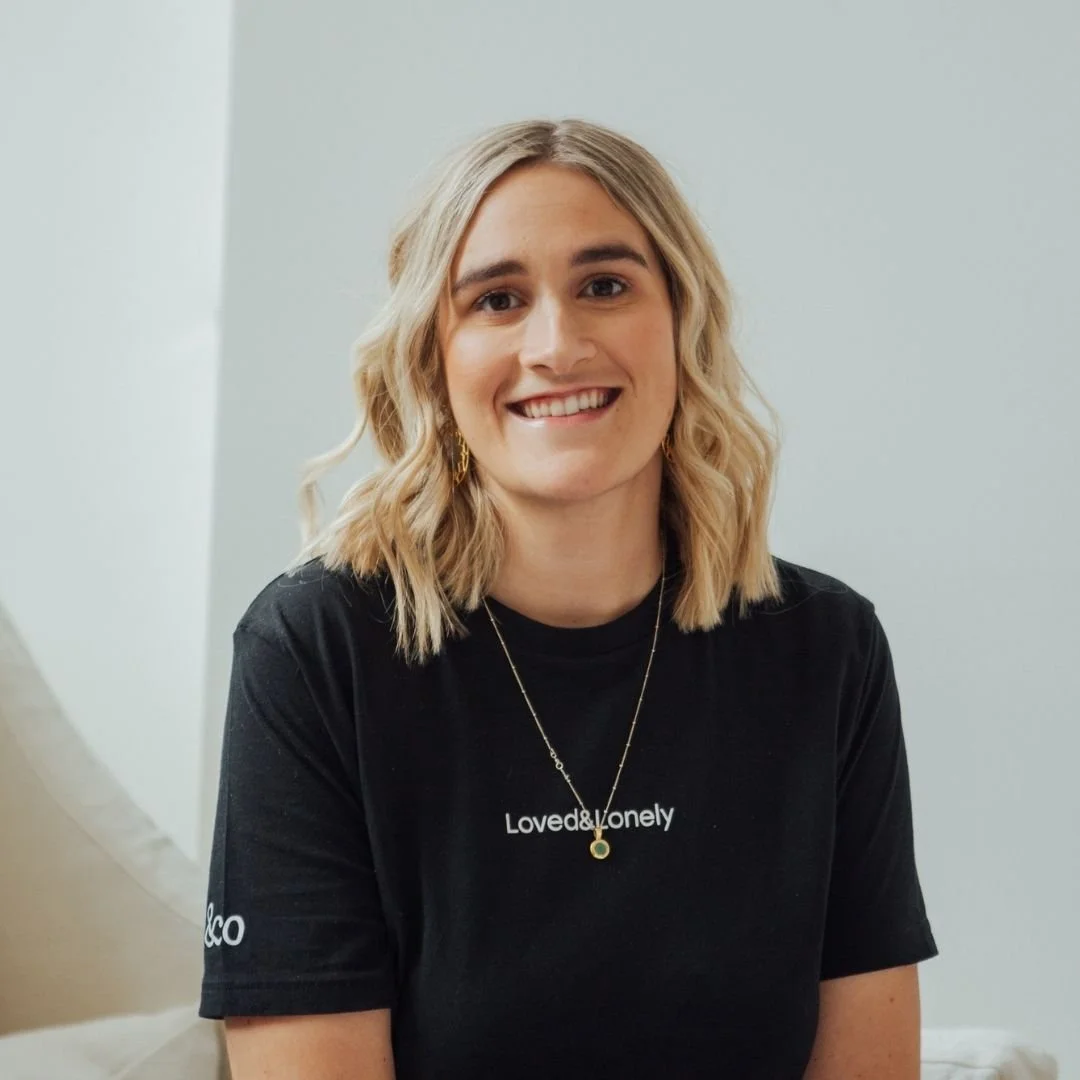

Amelia Wrighton, CEO, Suicide&Co
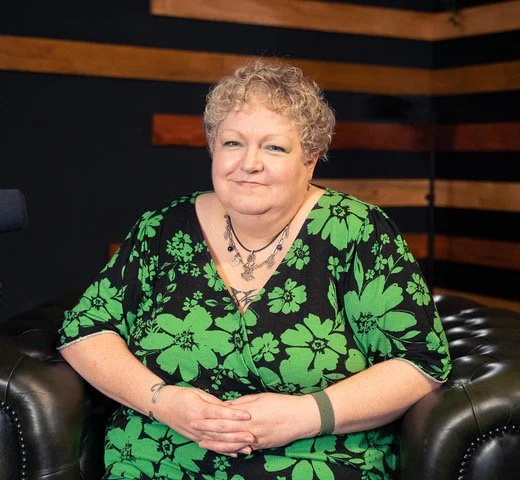
In this candid conversation, Amelia Wrighton and Maggie Cee explore the critical yet frequently misunderstood link between combined alcohol and cocaine use and elevated suicide risk. Despite the prevalence of this combination, it remains a "hidden risk" that often falls through the cracks of current data collection and coronial reporting. Maggie will share insights from the Co-alc Alliance’s work alongside bereaved families and frontline practitioners to highlight the systemic gaps in our existing prevention frameworks.
Maggie Cee, Founder, Co-alc Alliance
14:30 - 14:45 | Keynote: Beyond the Bloodline: Recognising Everyone in Care
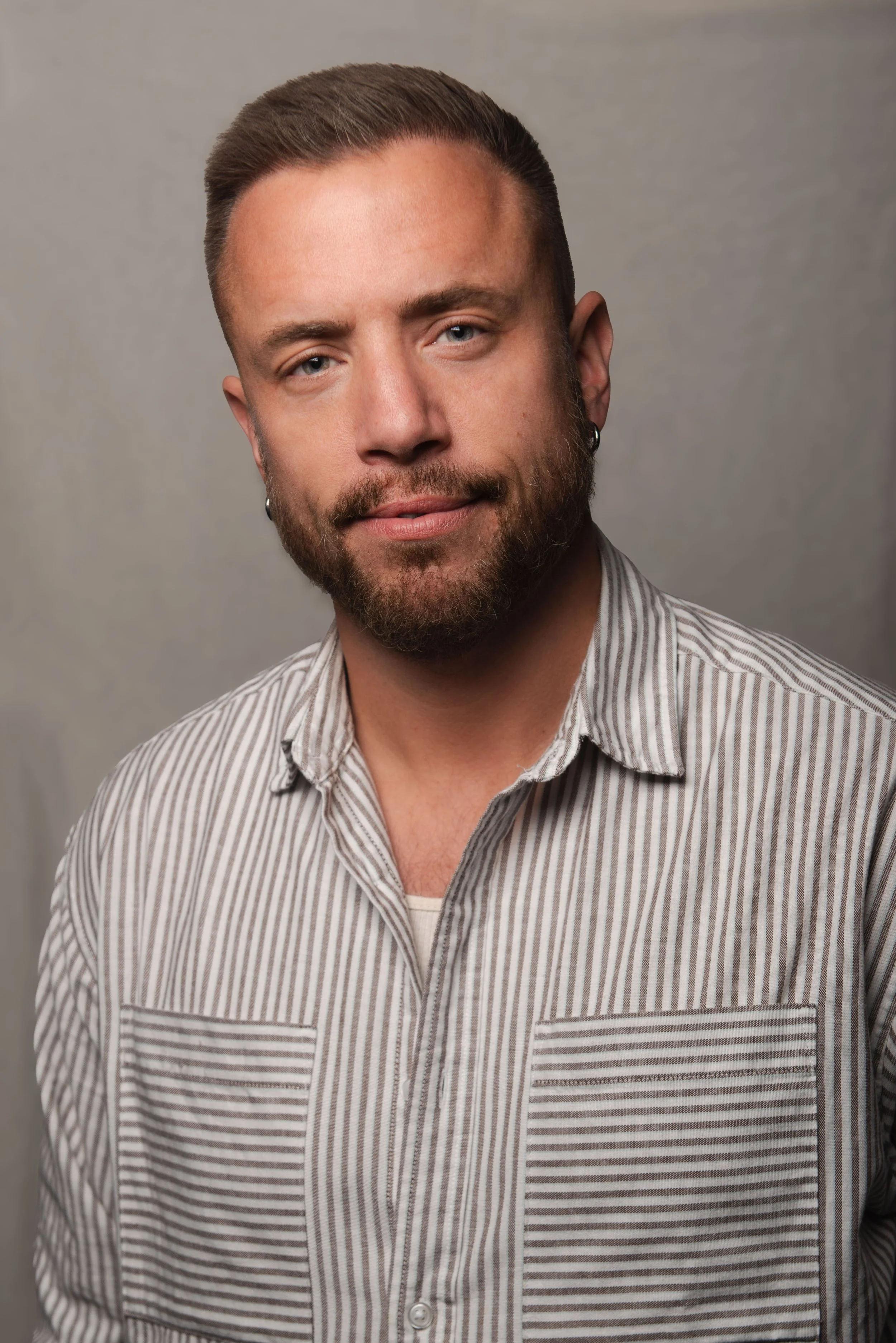
Marc Svensson, Founder & Chief Executive of You Are Loved CIC
In the landscape of grief, support is too often restricted by narrow, traditional definitions of "next of kin" or blood relatives. This keynote explores the profound impact of these exclusionary practices, particularly within the LGBTQ+ community and other networks where "chosen family" is central to an individual’s life. The session will challenge the sector to broaden its understanding of kinship and eligibility, advocating for a more inclusive approach that recognises the depth of a bond rather than its legal status.

14:45 - 15:05 | Fireside Chat: From Pitch to Practice
Amelia Wrighton, CEO, Suicide&Co

Dave Nicoll, Co-Founder, LooseHeadz
In this conversation, Amelia Wrighton sits down with Dave from LooseHeadz to explore how a passion for sport has been harnessed to build a global movement for mental health. With a presence in over 1,400 rugby clubs across 36 countries, LooseHeadz has pioneered a unique model of "training from within," placing a dedicated mental health lead at the heart of every club. This session will delve into how this peer-led approach has successfully brought entirely new, often traditionally "harder-to-access" audiences into the conversation, making support a natural part of the club environment.
15:05 - 15:30 | Coffee Break
15:30 - 15:45 | Keynote: Breaking the Mould: Achieving Male Engagement through Accessibility

Dr Neera Dholakia, GP, Boots Online Doctor
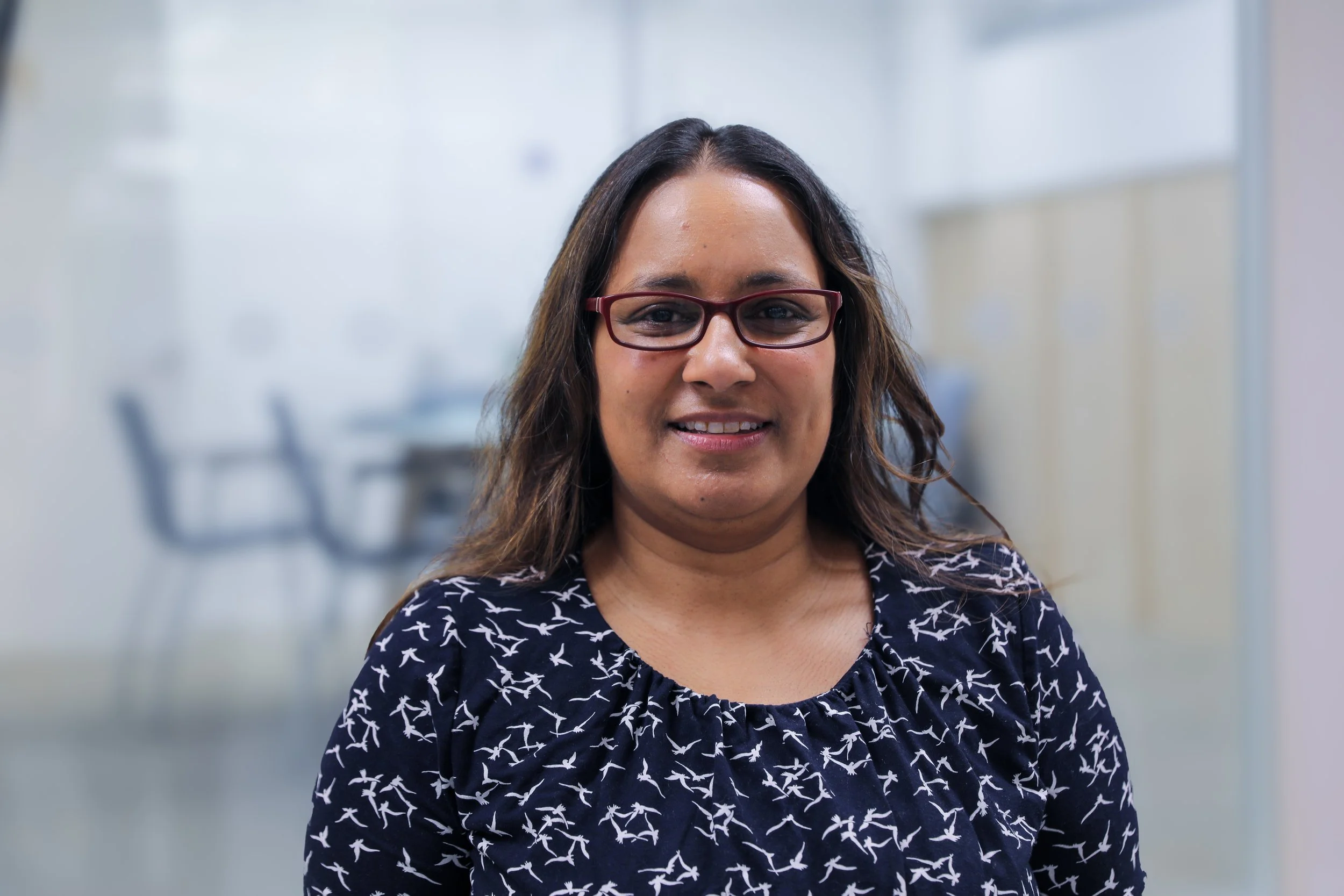
In a sector where men are often significantly underrepresented in support statistics, one service has challenged the status quo, achieving a remarkable 40% male client base. This keynote explores the model that drove this shift, moving away from traditional clinical gatekeeping towards a more intuitive, low-barrier approach. By stripping back the complexities of the referral journey, the service has successfully reached a demographic that is traditionally less likely to seek help but remains at the highest risk.
15:45 - 16:05 | Fireside Chat: Navigating the New BSI Framework for Workplace Safety

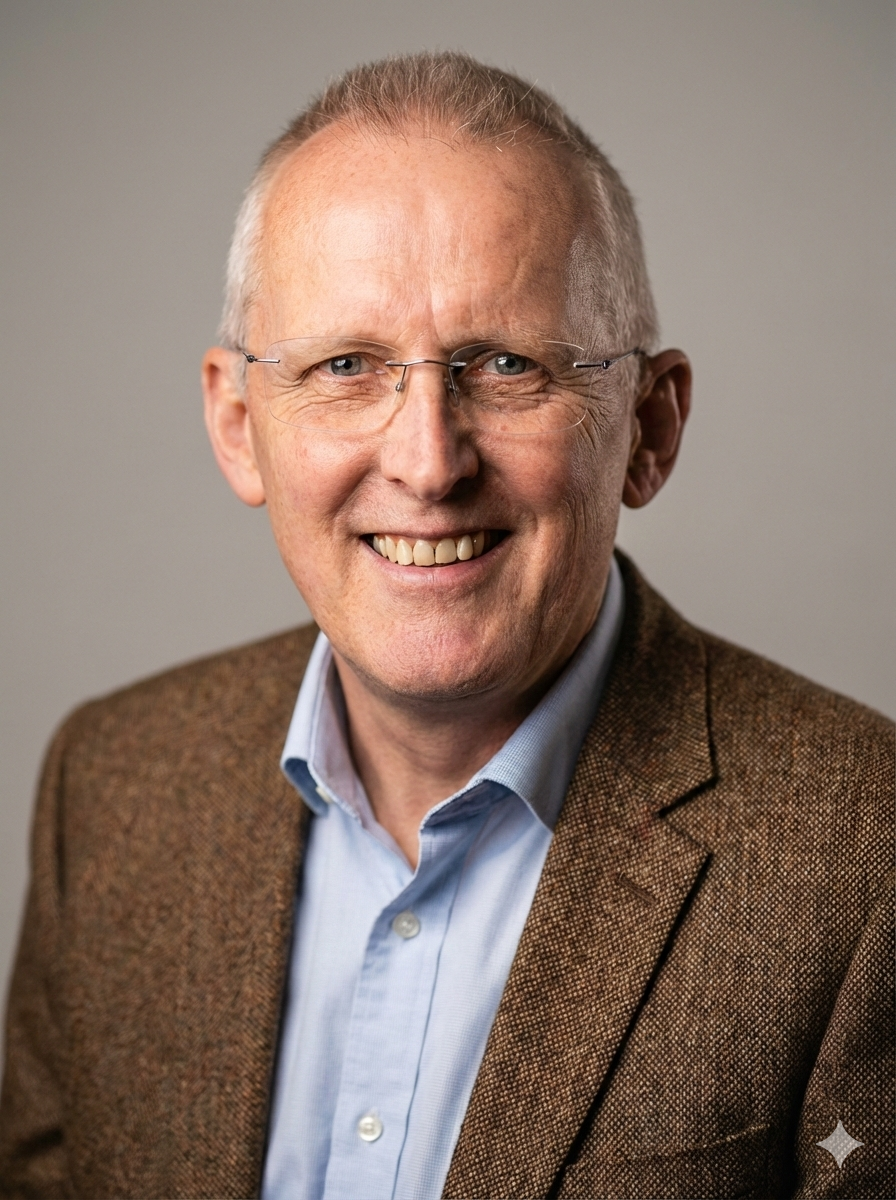
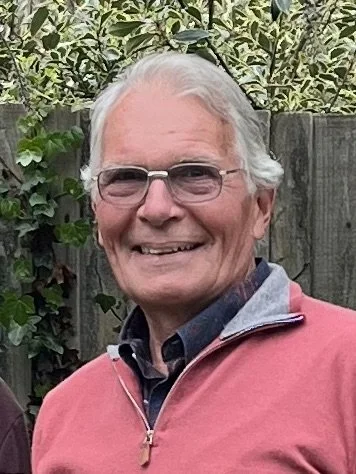
John Whitebrook Researcher, University of West London
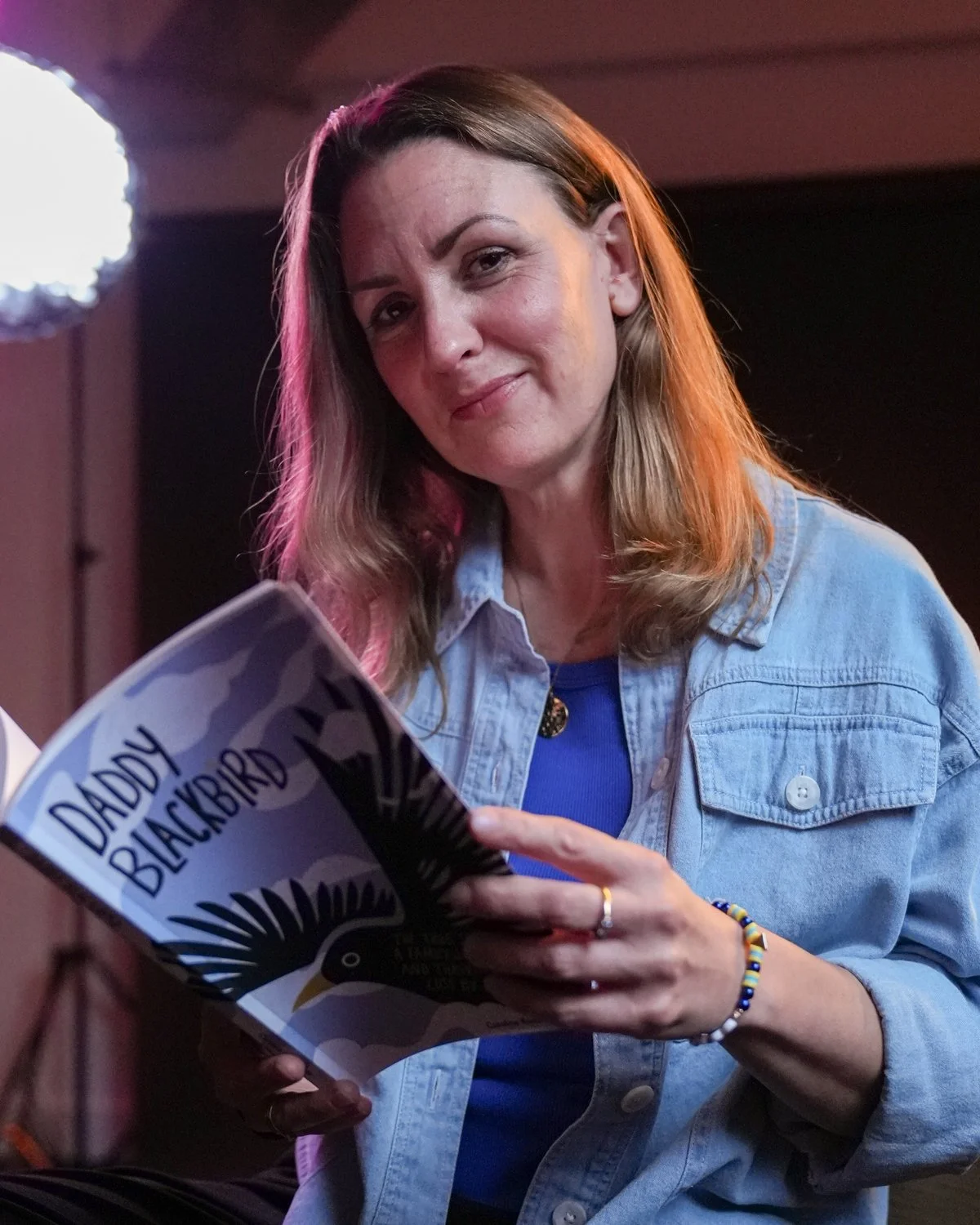
Caroline Roodhouse, Author of the BSI First Steps Guide
In November 2025, the British Standards Institution (BSI) launched BS 30480, the world’s first formal standard dedicated to suicide prevention, intervention, and postvention in the workplace. This fireside chat brings together two pivotal figures in its development: John Whitebrook, who contributed his deep research into male suicide bereavement, and Caroline Roodhouse, who authored the accompanying First Steps Guide for SMEs. Together, they will discuss how this framework moves beyond "wellbeing perks" to establish a rigorous, evidence-based gold standard for organisational safety.
16:05 - 16:20 | Keynote: From Prediction to Relational Safety
Philip Pirie, Suicide Prevention Campaigner and Co-Chair of the NHS England ‘Staying Safe from Suicide’ Writing Group
For too long, the sector has relied on risk stratification tools, categorising individuals as ‘low’, ‘medium’, or ‘high’ risk, despite evidence that these models often fail to predict suicidal intent. In this keynote, Philip Pirie introduces the groundbreaking ‘Staying Safe from Suicide’ guidance, which marks a definitive shift away from these outdated checklists towards a model of ‘relational safety’. Philip, who co-chaired the writing group for this national framework, will share the evidence and drive behind this transition, advocating for a person-centred approach that prioritises therapeutic engagement and collaborative safety planning.

16:20 - 16:40 | Fireside Chat: Professionalising Workplace Mental Health & Suicide Prevention
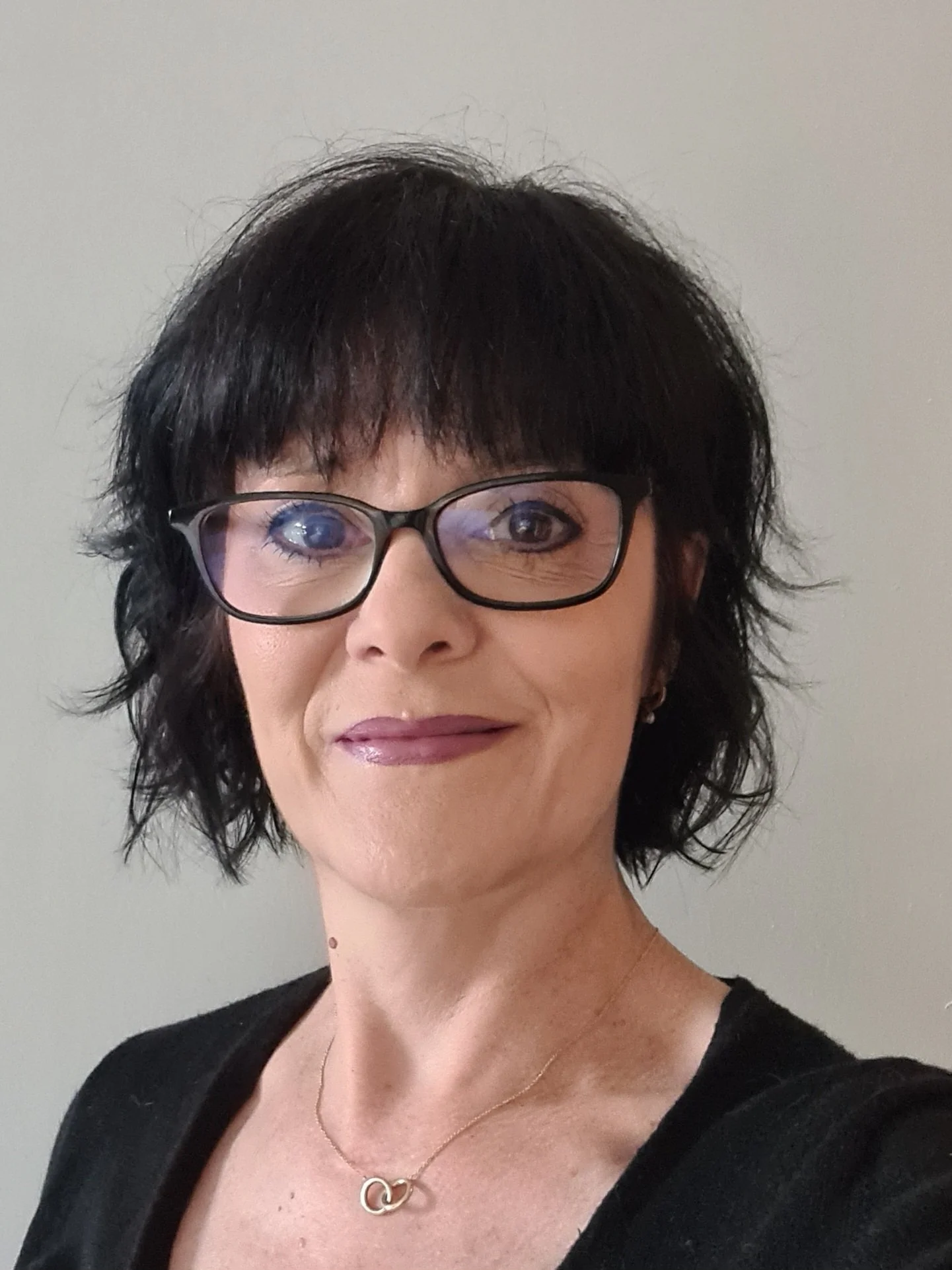
Julie Castleman, Director, Junah
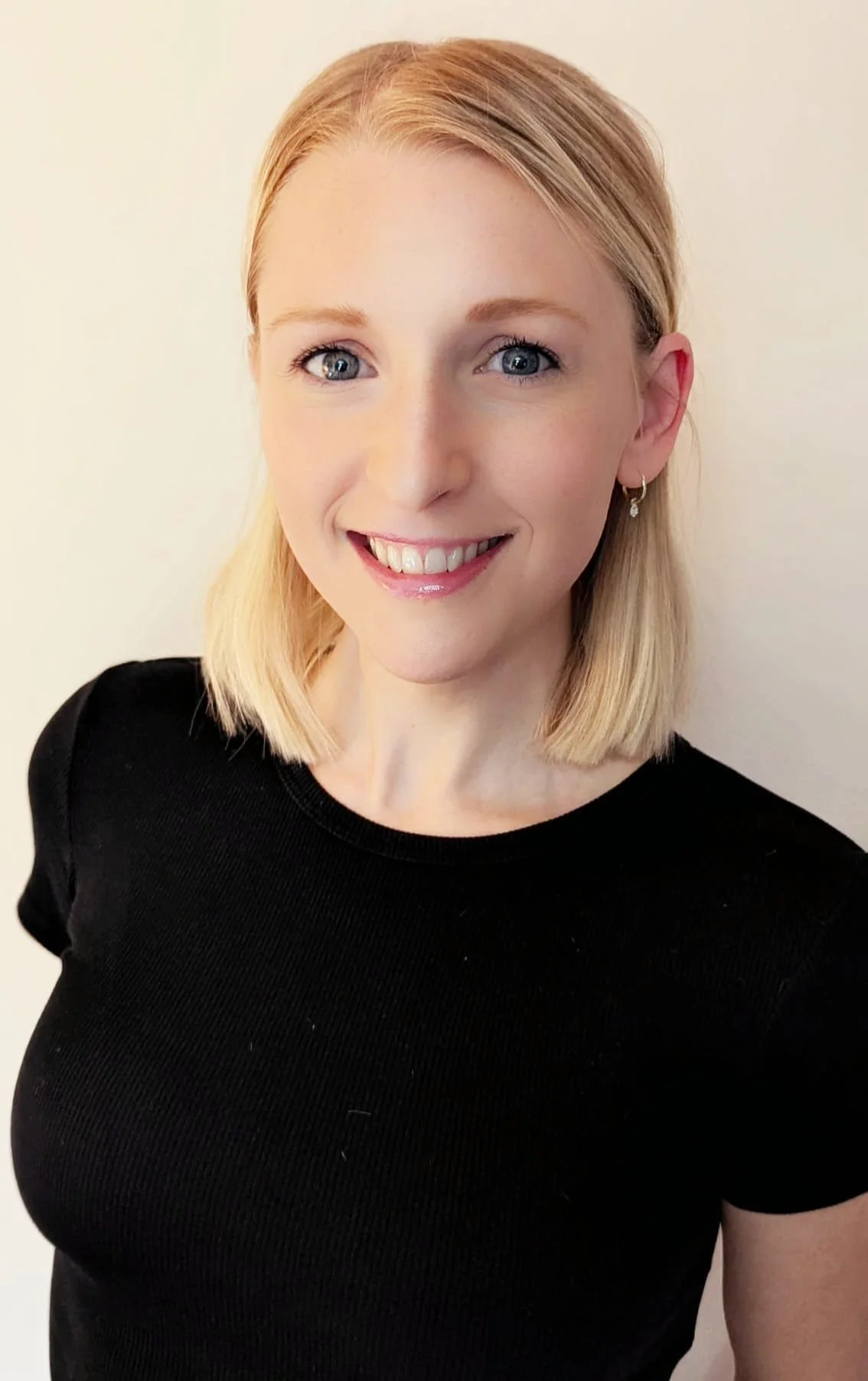

Vicki Cockman, Director of Training and Consultancy, MHFA
As workplace wellbeing matures, the sector is moving towards a whole organisation approach. In this fireside chat, between Junah and Mental Health First Aid England we will explore the innovations currently reshaping workplace training, moving away from reactive signposting to a trauma-informed, evidence-based model that empowers employees to navigate the most sensitive conversations with confidence.
16:40 - 17:00 | Keynote: Bolstering our Model with Digital Innovation
Amelia Wrighton, CEO, Suicide&Co
In the final keynote of the day, Amelia Wrighton reflects on the journey of Suicide&Co’s service development and the strategic innovations that are redefining how the charity supports those bereaved by suicide. Focusing on the recent launch of the Suicide&Co App, Amelia will share how digital technology is being used not just as a tool, but as a "backbone" to bolster their model.